
As fall settles over Ojai, the landscape begins to slow. Plants and animals alike prepare for dormancy as the days grow shorter and cooler. Most blooms fade away, saving their energy for spring’s return—but as we near winter, a few hardy native plants continue to thrive. Ragweed, coyote brush, manzanita, and mistletoe to name a few, all of which mammals and pollinators depend on to get them through the season.
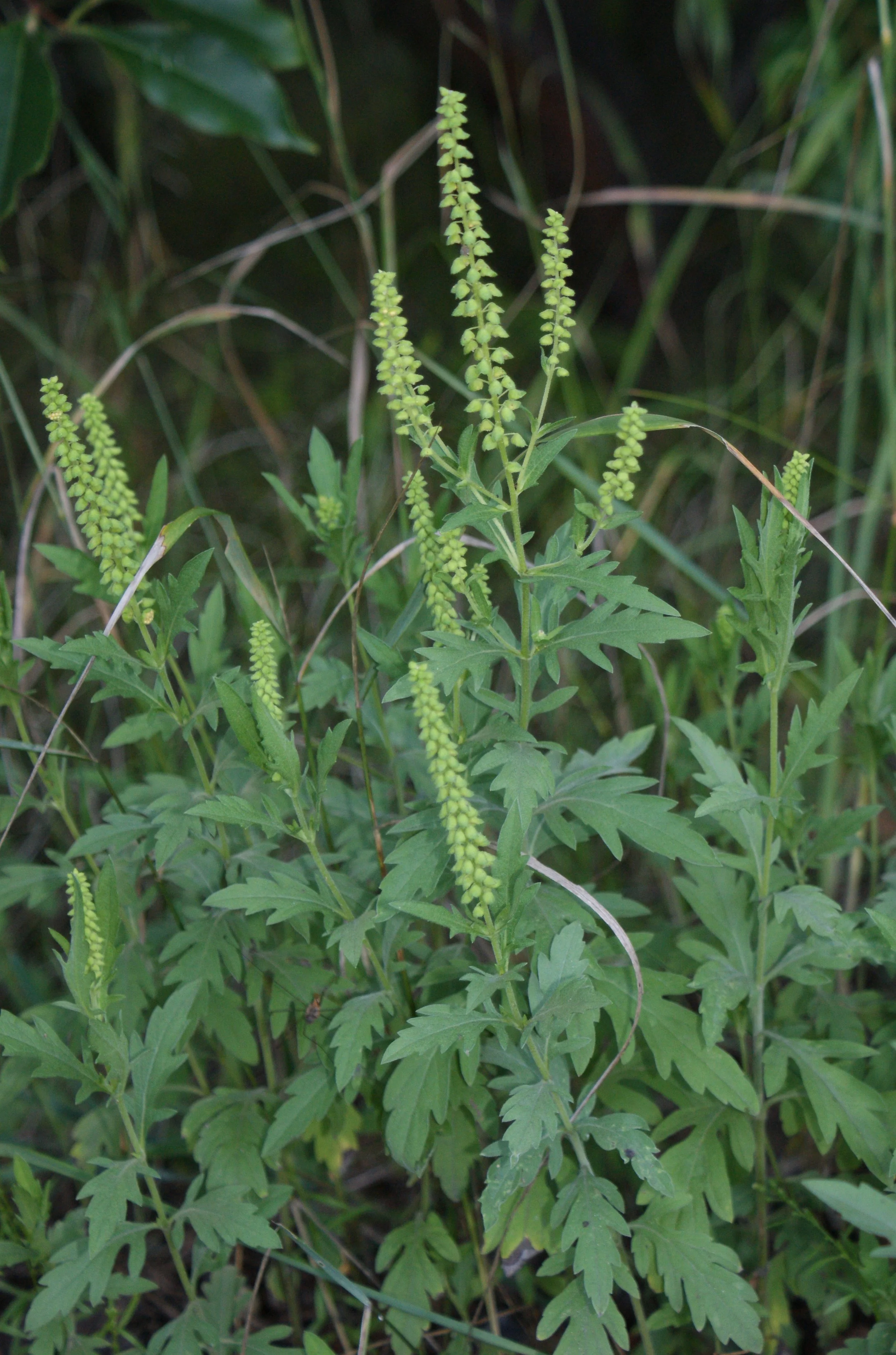
If you find yourself in a grassland with an open canopy, where sun strikes dirt among dormant bunchgrass, or dodging between mulefat thickets in cobble-ridden riverbottoms, you will often encounter our friend the western ragweed (Ambrosia psilostachya). This lovely member of the Asteraceae (sunflower) family blooms in late summer through fall, where gentle gusts guide its pollen across the valley. This unassuming plant, being wind-pollinated, is often overlooked for its habitat value. As temperatures drop in early winter and willows have shed their leaves, ground-foraging birds such as the California quail (Callipepla californica) rely on the mature seeds of western ragweed as a primary source of food to sustain them until spring. Rich in protein and fat, this seed provides a critical energy source during times when other sources of nourishment, like insects, are more difficult to find.
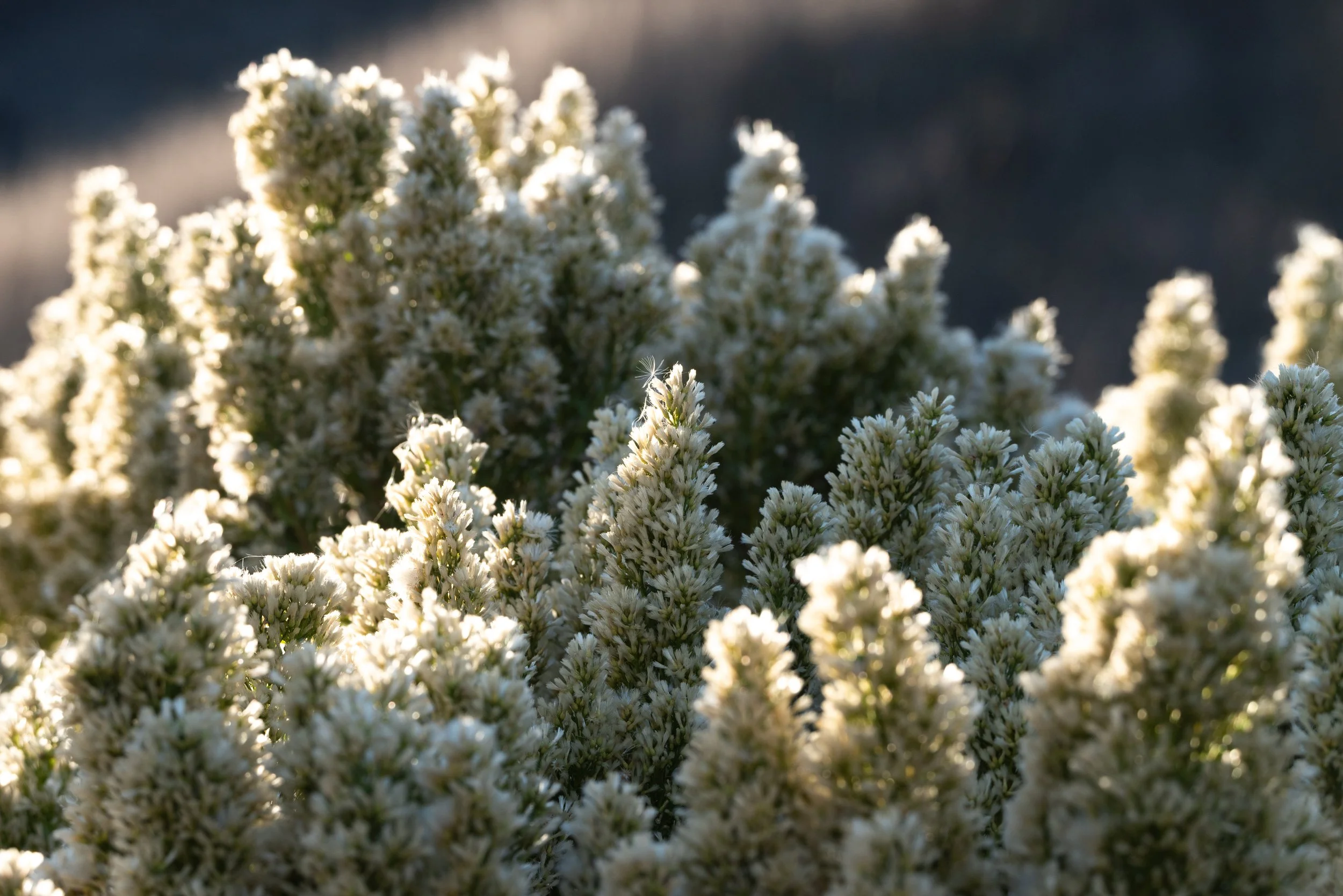
Coyote brush (Baccharis pilularis) is another abundant native plant that serves as an important late-season source of nectar in the Ojai Valley. It flowers from August to December, beginning to bloom just as summer starts to wind down. Its clusters of cream-colored flowers resemble a winter frost and seep the sweet scent of honeysuckle. Its branches covered in fluffy white seeds are reminiscent of snowfall, until the wind sweeps them away. The timing of coyote bush blooms lines up exactly with the migration of one of America’s favorite pollinators. The southbound migration of monarch butterflies (Danaus plexippus) brings them through the Ojai Valley as they search for sites to overwinter. Baccharis pilularis blooms prove to be a key source of nectar for them as they refuel for the rest of their journey. Coyote brush’s reach doesn’t end with monarchs; field observations have documented dozens of insect species visiting a single stand for a late-season nectar feast.
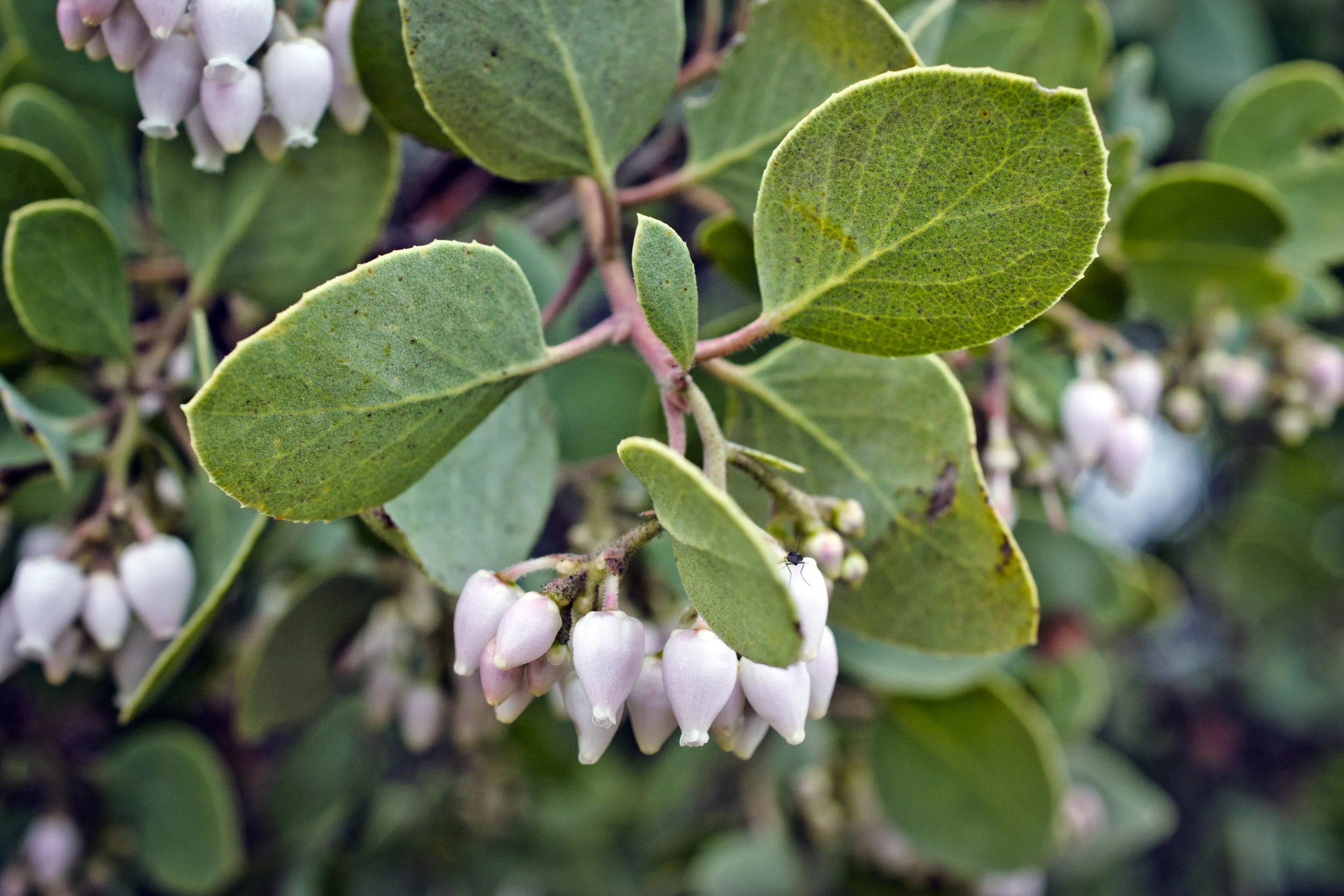
Another species you might come across in our valley is the bigberry manzanita (Arctostaphylos glauca). From late winter into early spring, this hardy and beautiful shrub begins to produce supple, bell-shaped flowers perfectly suited to the slender beaks of hummingbirds. In our area, both Anna’s and Allen’s hummingbirds are common. You may have heard one whizzing by on a trail walk or chirping high in a sycamore canopy. Because these tiny birds lose body heat quickly, their hearts beat an astonishing 1,200 times per minute to maintain healthy oxygen levels. This rapid heartbeat burns through energy fast, requiring hummingbirds to consume 1.5 to 3 times their body weight in food each day. A single bird may visit hundreds of flowers daily to keep up with its incredible metabolism.
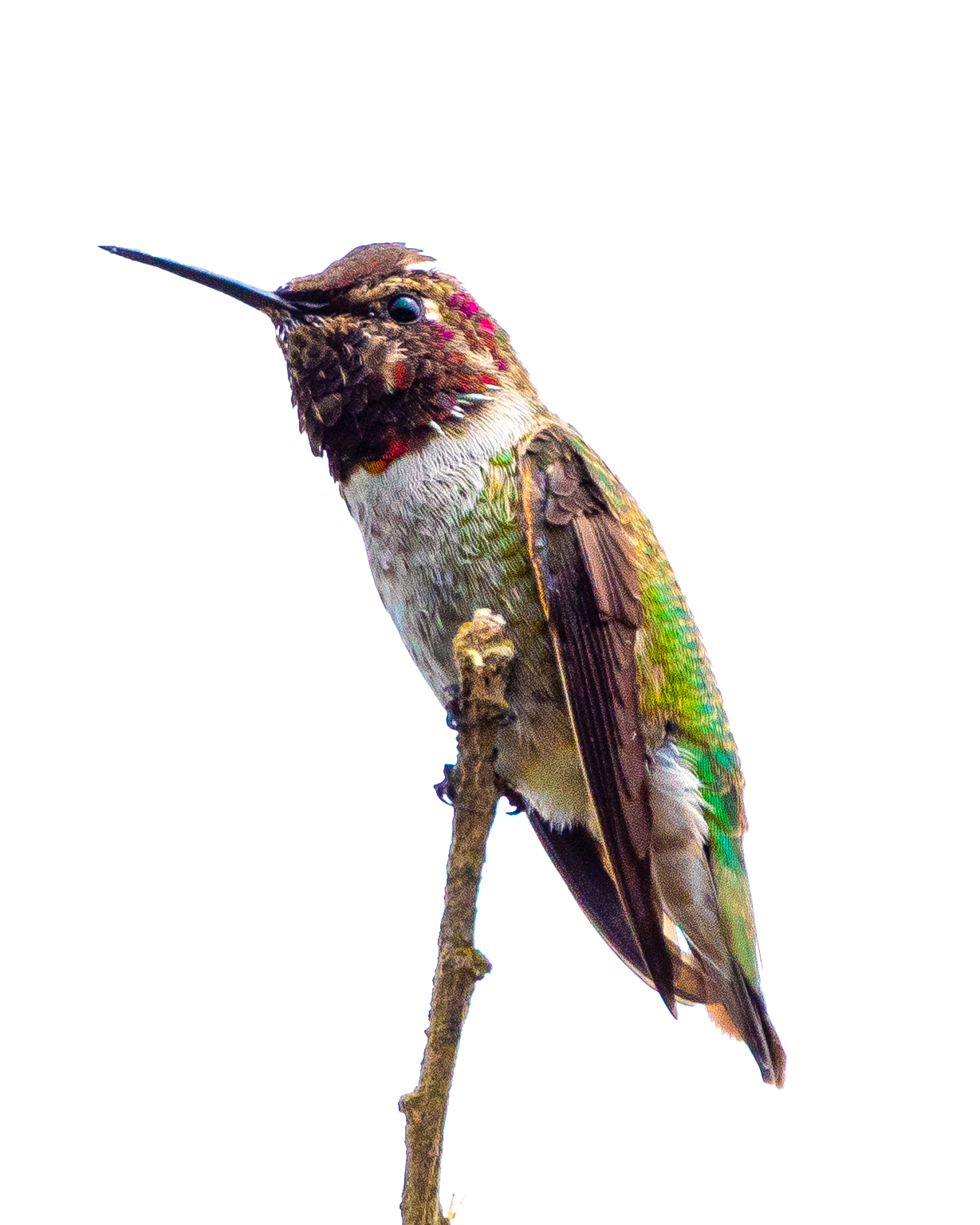
Anna’s Hummingbird(Calypte anna)
One manzanita shrub can produce several thousand flowers per season, making it a living buffet. The blossoms may also shelter tiny insects that offer an extra, protein-rich snack. With their long, spindly branches, manzanitas also provide ideal perches where hummingbirds can rest before taking flight again. These birds are an integral part of our ecosystem—so the next time you spot one while out on the trail, take a moment to pause and appreciate their swift, brilliant beauty.
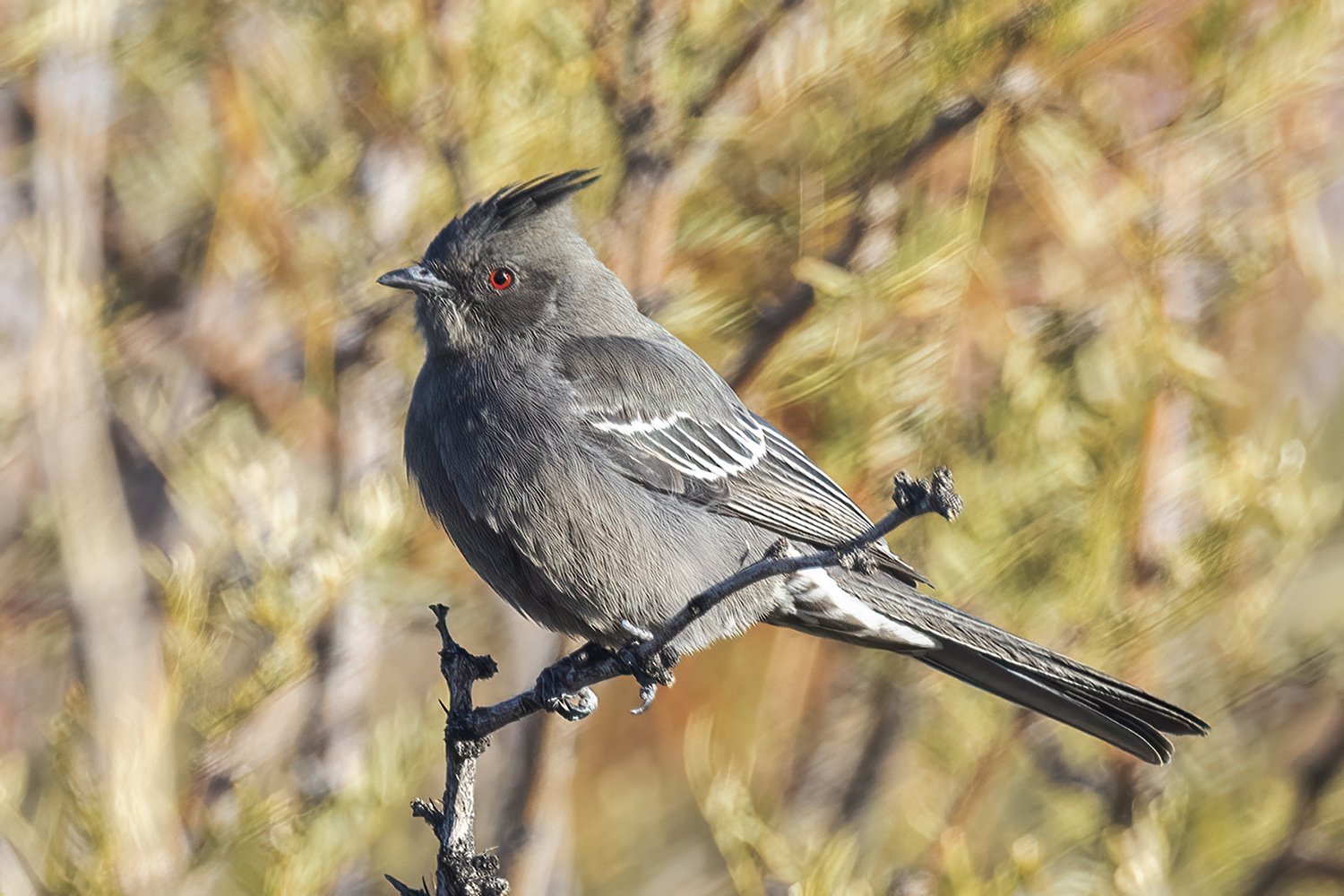
Phainopepla (Phainopepla nitens)
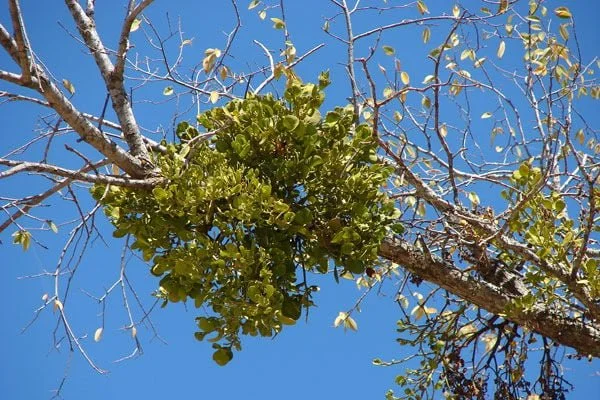
Beyond the shrubs, there’s another native species that’s easy to miss. When the trees drop their leaves and the branches go bare, something strange is sometimes left behind. High up in the canopy, tangled green clusters of mistletoe (Phoradendron macrophyllum) cling to the limbs of black walnuts, willows, and cottonwoods. Mistletoe gets a bad rap because it’s a parasitic plant, pulling water and nutrients from its host, but it also plays an important role during the colder months. The plant produces thousands of small white berries, filled with sugar, which ripen in winter and provide a crucial food source for local wildlife, like the mysterious phainopepla. These sleek, sharp-crested birds have deep red eyes. The males are a glossy black, the females a soft gray, and both rely almost entirely on mistletoe berries to get through the winter. A single bird can eat up to 1,000 berries a day if they are abundant enough. As they feed, they simultaneously help spread the plant by wiping the sticky seeds onto nearby branches and trees. Though mistletoe carries centuries of myth and holiday lore, out here it’s happiest doing what it does best—feeding the birds.
The relationships between native plants and wildlife don’t pause for winter. They shift and adapt, just like the land itself. Whether its quail rummaging for ragweed seeds, monarchs stopping at coyote brush, hummingbirds feeding on manzanita, or phainopeplas munching on mistletoe, these seasonal moments are happening all around us. As you explore the valley this season, keep an eye out for the birds, insects, and blooms that make this time of year special in their own way. The more we notice, the more we understand how to care for what’s here.
Caden Crawford, Emma Gibson, Kiandra Kormos, & Martin Schenker