

Wildfire
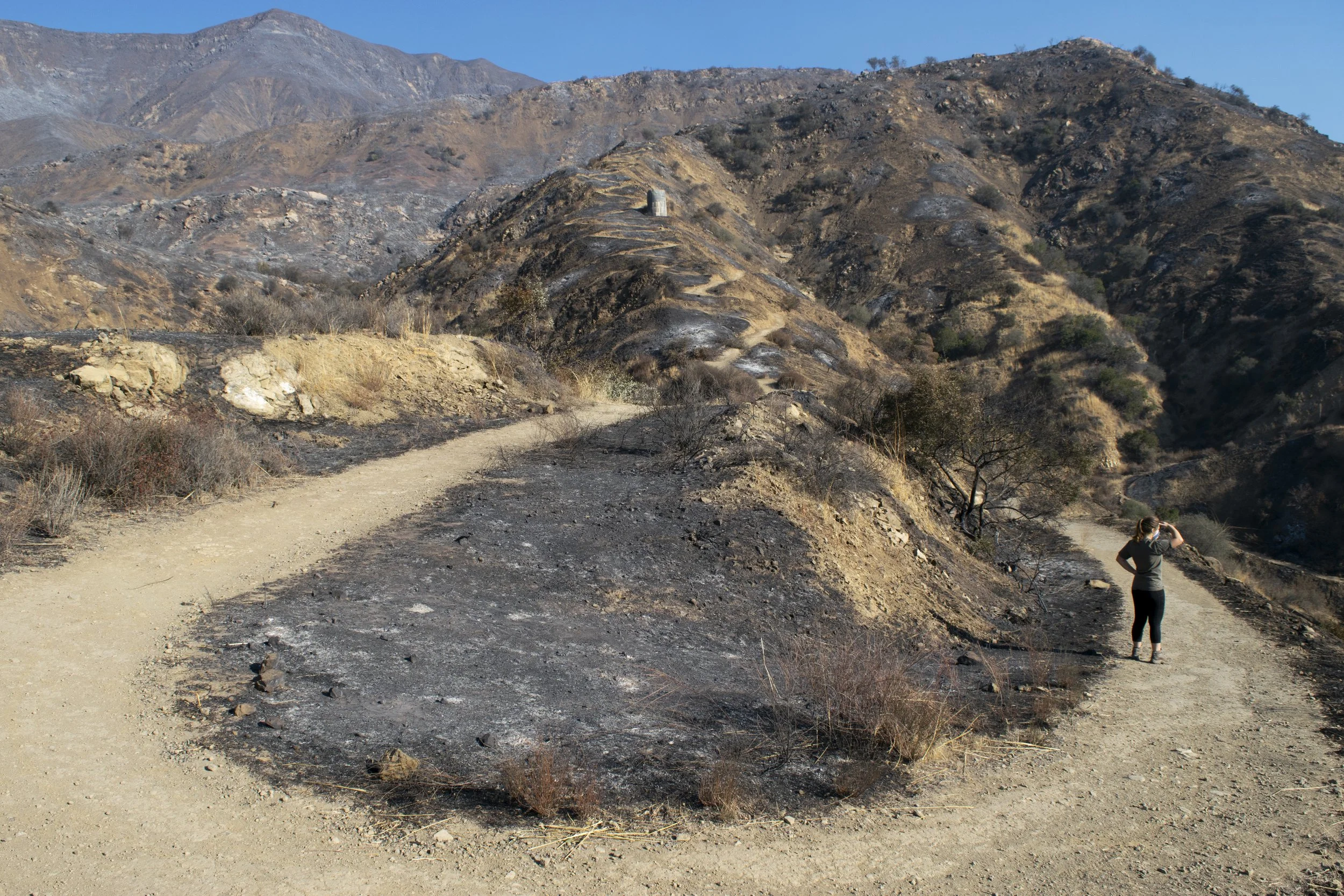
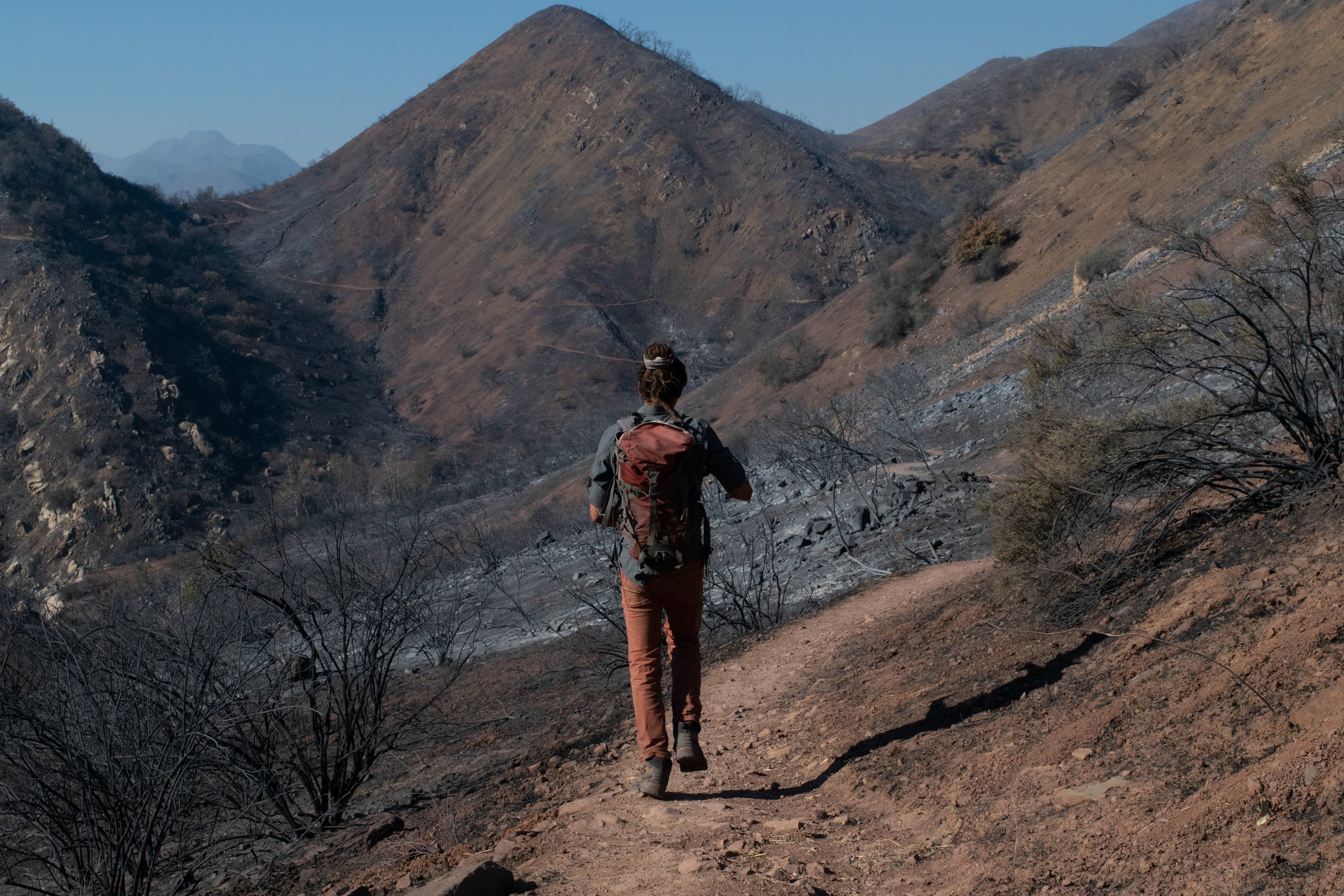
Fire regimes are changing in Southern California. Unlike other parts of the state, Southern California is seeing too much fire on our landscapes. Historically, much of Southern California’s chaparral wildlands would have been burned on long internals (30-100 years). Today, we see the fire return interval reducing dramatically due to human caused ignitions during extreme wind events - think downed electrical wire during Santa Ana Winds. Though many of our native plants are fire-adapted (meaning they are able to resprout after fire or their seeds germinate best when burned), the frequency of fires prevents our fire-adapted native plants from being able to recover enough between fires causing the spread of invasive species.
To be resilient, our communities must adapt. We cannot change the reality that fire is an integral part of California, but we can change how we build and structure our communities to be able to withstand wildfire. The goal of this page is to share accurate and ecologically sound information about wildfire to give you peace of mind and practical steps to think about and address this overwhelming and terrifying phenomenon. Review the following links for more detailed information on fire in Southern California, home hardening, current regulations, and more.
home hardening
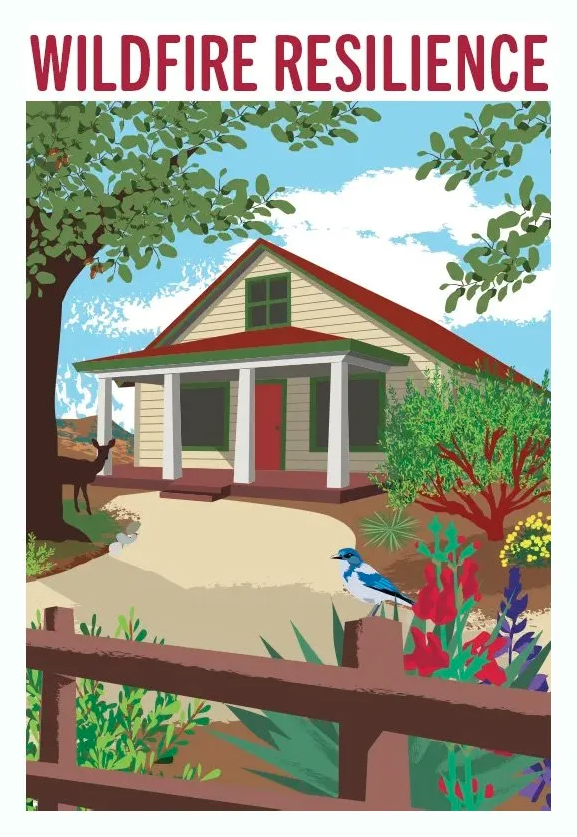
Home hardening provides practical steps you can take to protect your homes and community against wildfires. Use the following interactive website to learn more about how to harden structures and ensure that your home is prepared in the event of a fire. Protecting your home also protects your neighbors and surrounding community from the spread of fire.
Urban Wildland - A Case Study for a Hardened Home
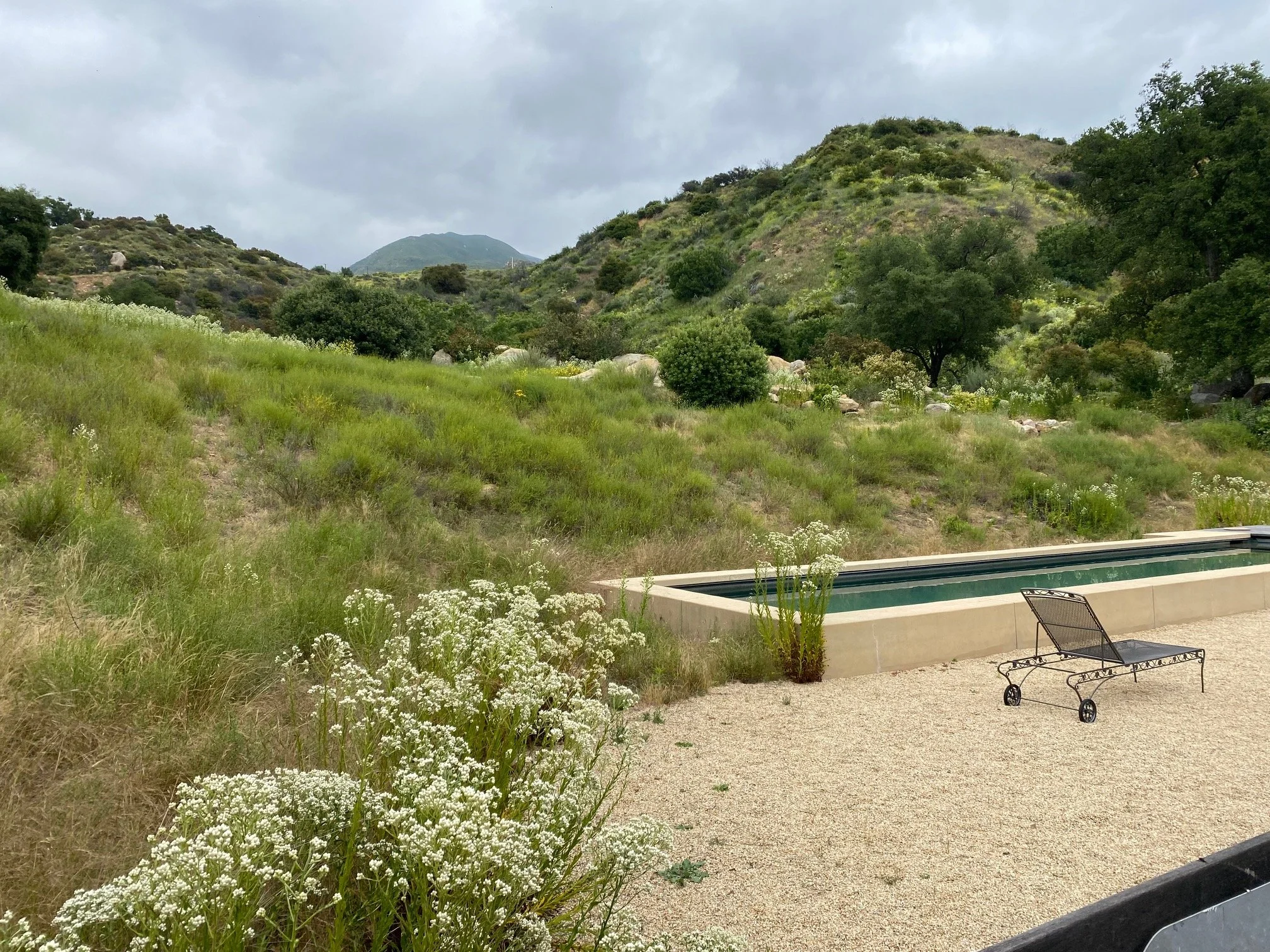
This home is of the Rewild Ojai Certified Gardens and was a hit on the 2025 Rewild Ojai Native Garden Tour. This garden attempts the restoration of historic ranchland set within a site that encompasses chaparral, oak meadowland, and sage scrub. It relies on the serendipity of the native plants, the awakening of its dormant seed bed, seasonality, zero irrigation, and the rigorous weeding out of non-natives. The hard-won result is a truly wild garden tamed at the edge of the buildings with a linear pool and gravel terraces—a precinct to mitigate the threat of wildfire. The buildings themselves are designed to be wildfire resilient: they are both framed and clad in steel while the glazed openings (doors and windows) are protected by deployable steel doors. They were unscathed in the Thomas Fire, despite the entire 67-acre property being consumed in flames. See photos of the home and the garden below.
Inspired by their story of success, the short documentary “Vacation Land” was created about the home. Watch the film below to learn more about this remarkable project of resilience and regrowth.


The process of hardening your home can feel overwhelming. What is the most important? What can I afford? The Ventura County Fire Safe Council provides free assessments for our community. At no cost to you, a member of the Ventura Fire Safe Council team will assess your home and share recommendations on how to make your home safer during a wildfire. You will be able to discuss effective and affordable solutions with these professionals during your assessment. This process is completely confidential and the results of their assessment will not be share with insurance companies or the local fire department.
Get a free and confidential home hardening assessment
wildFire FAQs
-
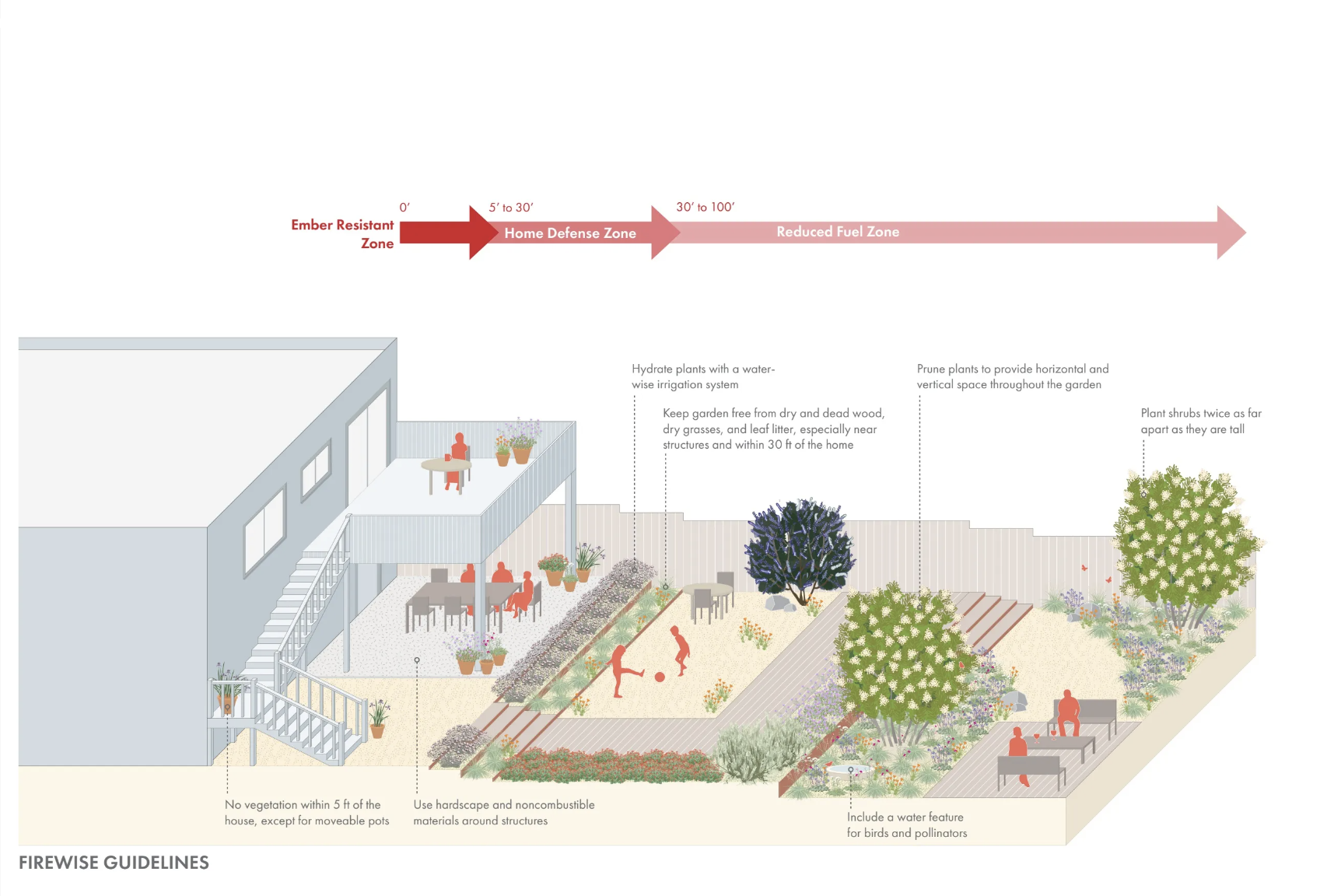
Zone 0 is one of the three zones are areas described by their danger in the case of a wildfire and location relative to a home or structure. The Zones are described below. As new regulation comes into effect, the specifics are subject to change.
Zone 0: Kept completely free of anything flammable (0-5 feet from the home)
Zone 1: Well maintained (pruned and hydrated) plants (5-30 feet from the home)
Zone 2: Spacing between trees, shrubs, and other vegetation (30-100 feet from the home)
Learn more about the specifics of each zone on this CalFire website.
You can learn more about Zone 0 here.
-
Zone 0 is the 5 feet around your structure where embers can potential bounce off, fall, and more easily ignite flammable materials. Upcoming Zone 0 regulations will apply to folks living in the High Fire Intensity Zones. You can find out which zone you are in at here.
You can learn more about the different Zones here.
You can learn more about Zone 0 here.
-
No, generally native plants are not more flammable than non-native plants. During an extreme, wind-driven fire, all vegetation will burn (even cacti and succulents). Native plants tend to me more resilient to fire.
Taking steps to keep flammable material away from your home, remove dead vegetation, and appropriately irrigating your garden are strategies to employ in any garden, not just a native one.
-
Home Hardening is not just for building new homes. Improvements can be made to existing houses or structures to protect them from fire. Examples of this are: covering all vents with metal mesh to prevent embers from coming inside, replacing combustible fencing with fire-resistant materials for the first five feet from the house, and removing debris accumulation from piles of leaves from near your home.
Visit the Ojai Valley Fire Safe Council to learn more about steps you can take to harden your home.
additional Fire resources
-
Check out Theodore Payne's extensive resources for wildfire resiliency, native plants, and landscaping.
-
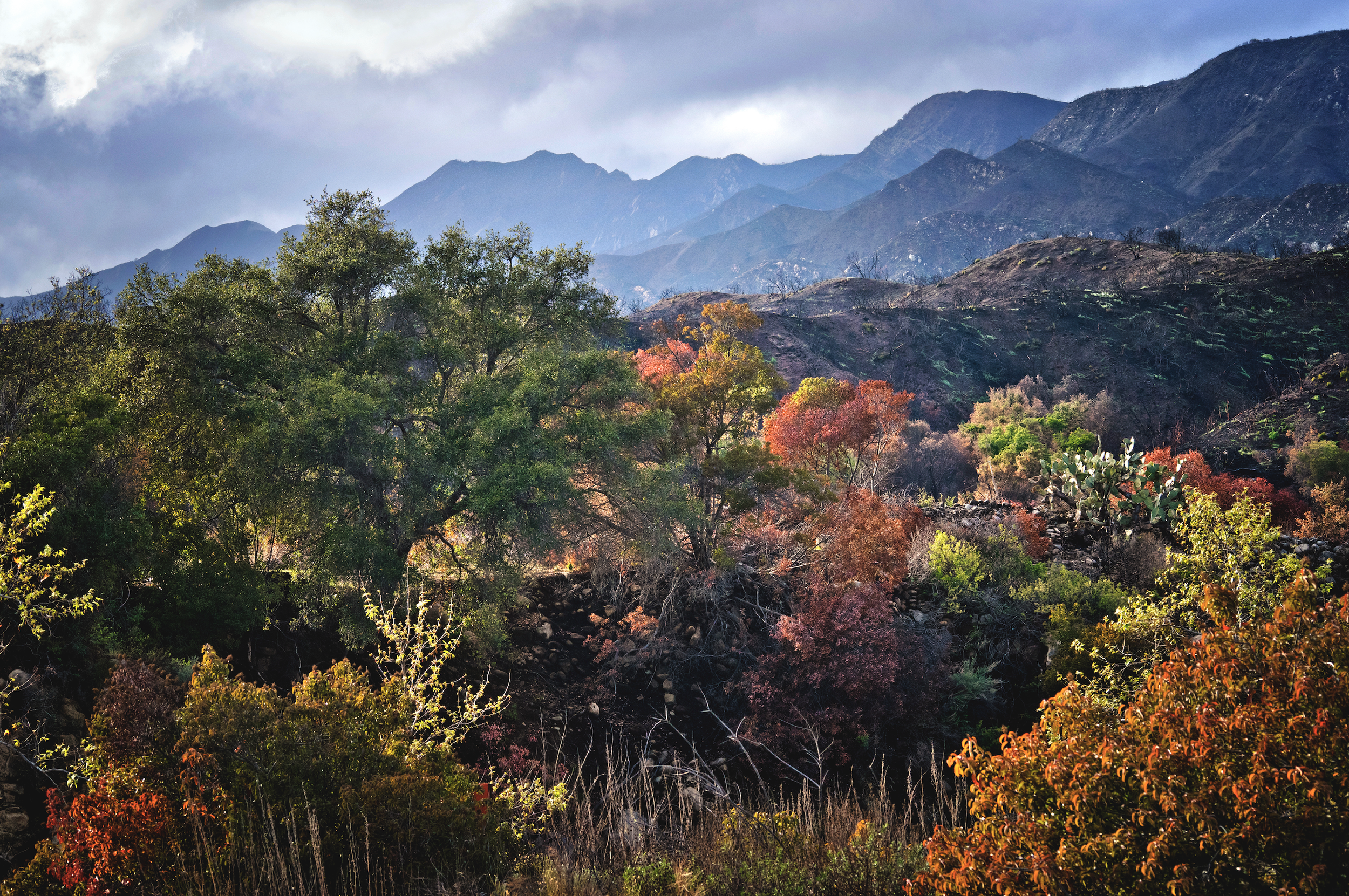
This page shows the results from an experiment conducted through Las Pilitas native plant nursery. In this experiment, folks at Las Pilitas measured the amount of time it took for leaves of various native and non-native plants to catch on fire.
-
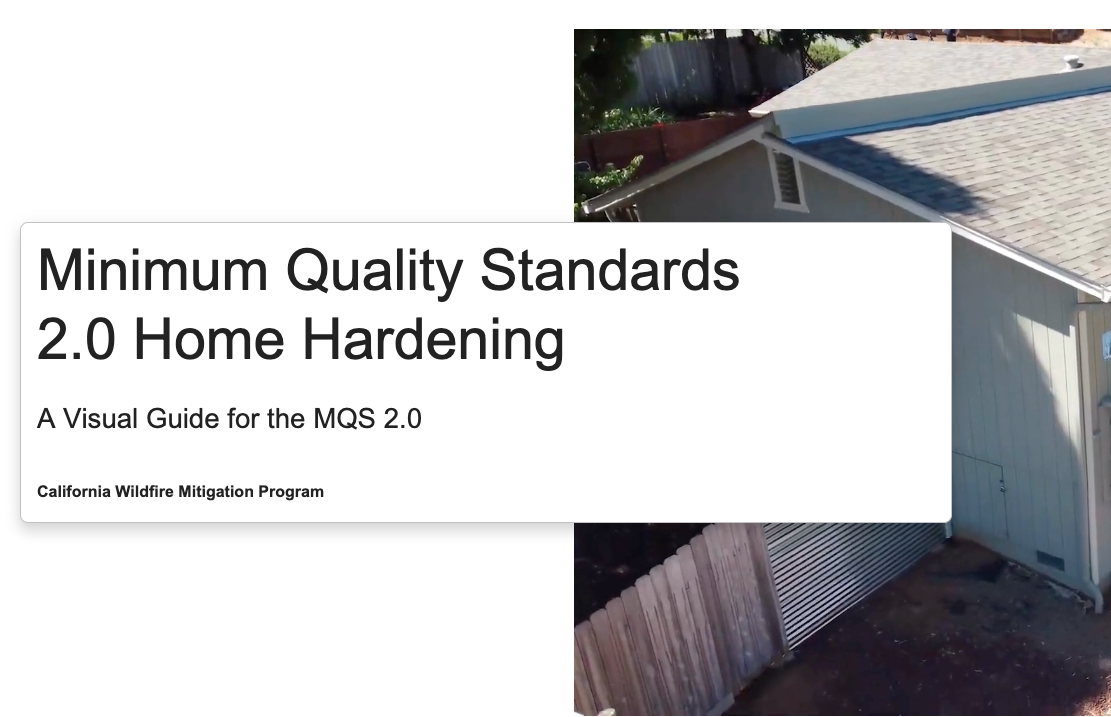
Created by the California Wildfire Mitigation Program, this outlines in great details all of the standards to harden your home and create defensible space.
-
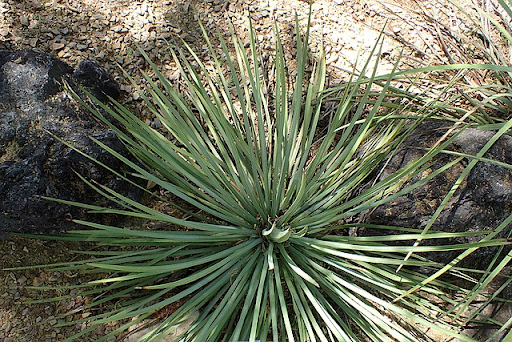
This site provides resources on how to design your home's landscaping to be fire safe and environmentally conscious.
-
Check out this video series from the Theodore Payne Foundation discussing wildfire resilience and native plants in Southern California. The video on the High Fire Severity Zone is particularly relevant to the Ojai Valley.
-
Access the California Native Plant Society's brand new series of landscaping vignettes to inspire firewise native landscape designs.

-
Watch this 7 minute documentary about a home in Upper Ojai with completely native landscaping that survived the Thomas Fire through home hardening.
-
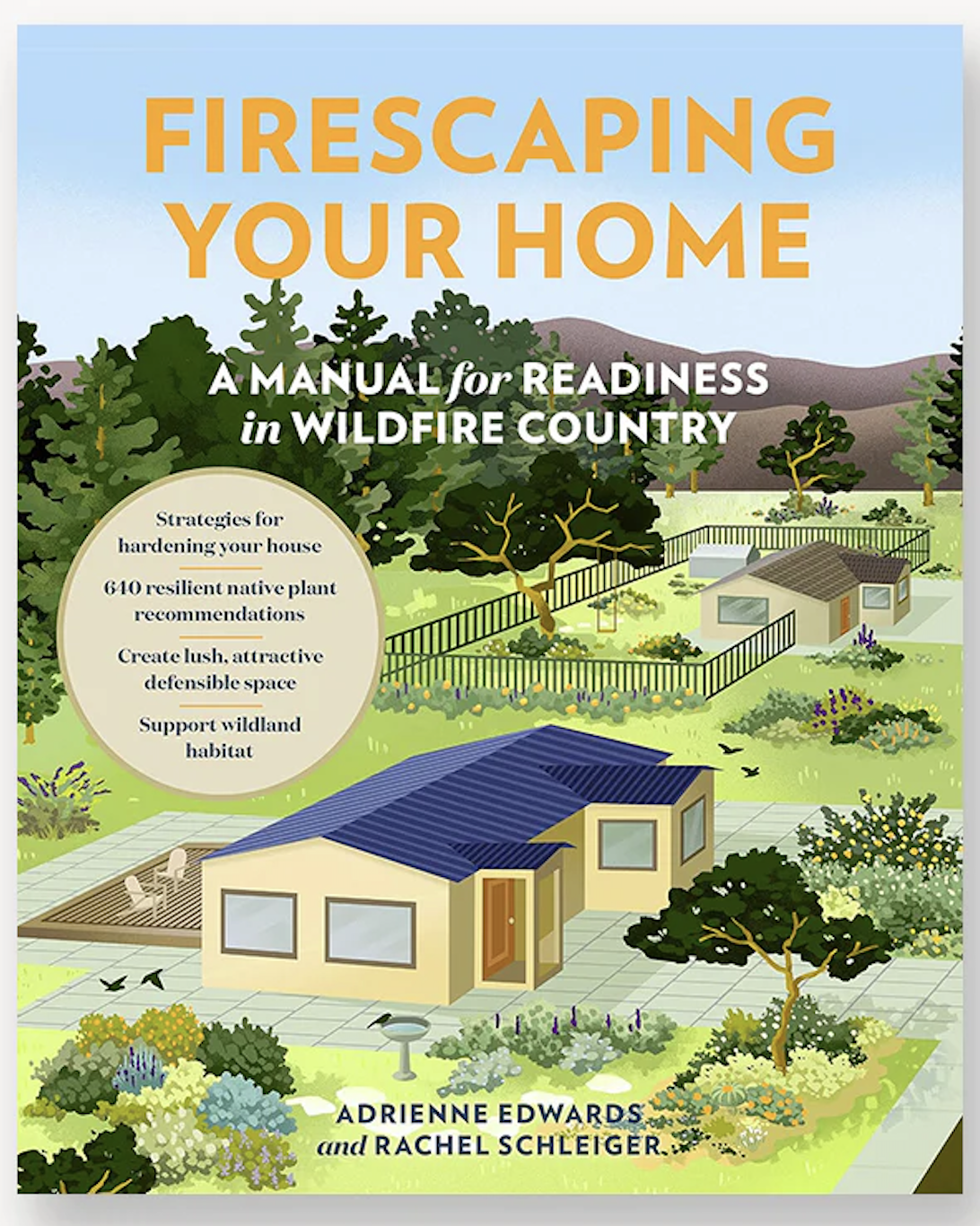
This hardworking, actionable guide is a must-have for homeowners looking to fight the risks of wildfire spreading to their homes and property.
-
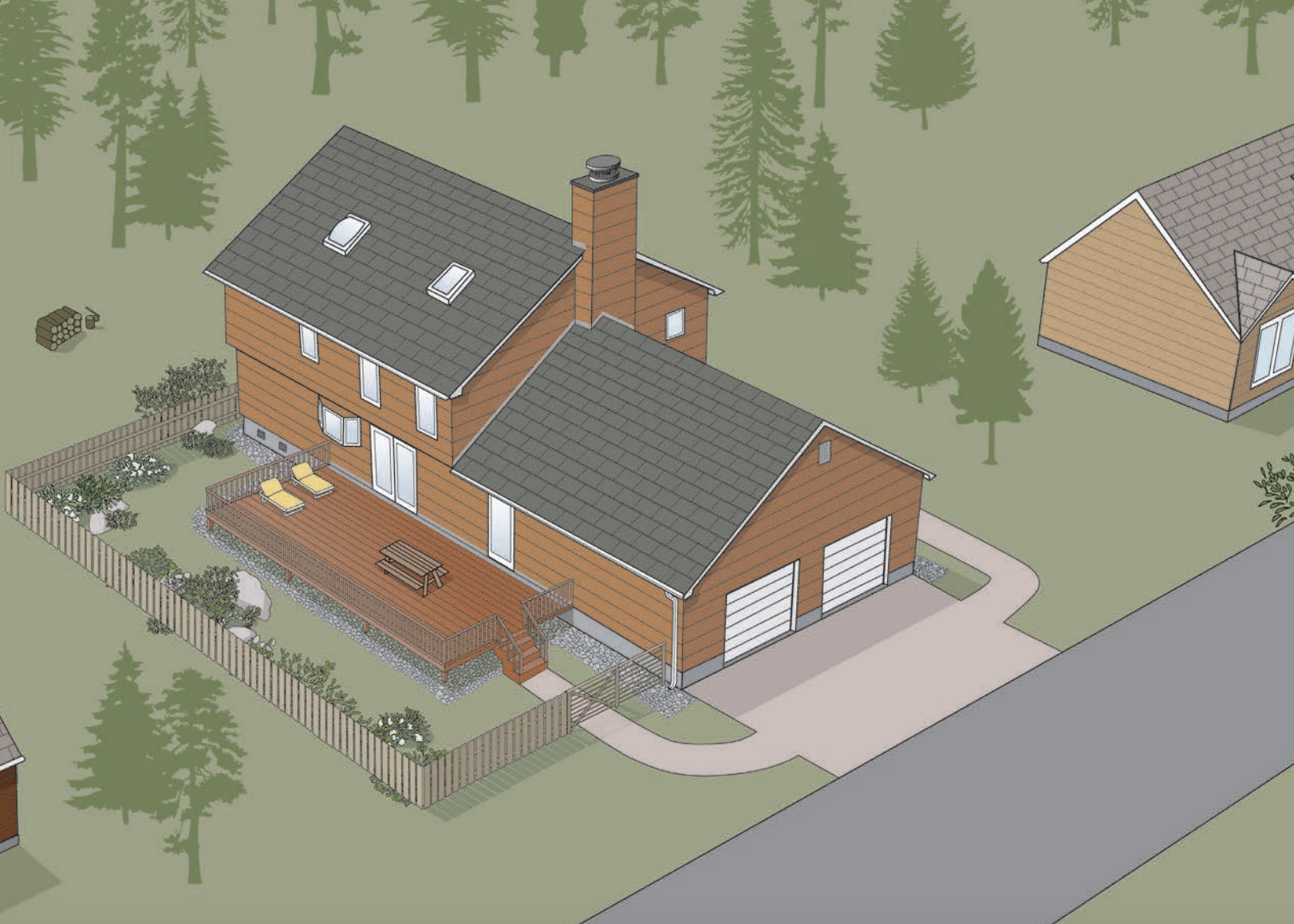
Though fire safety often focuses on the plants around a home, in reality, how your home is built and maintained has more to do with its ability to survive a wildfire. This guide outlines actionable steps to make your home as fire resistant as possible.
-
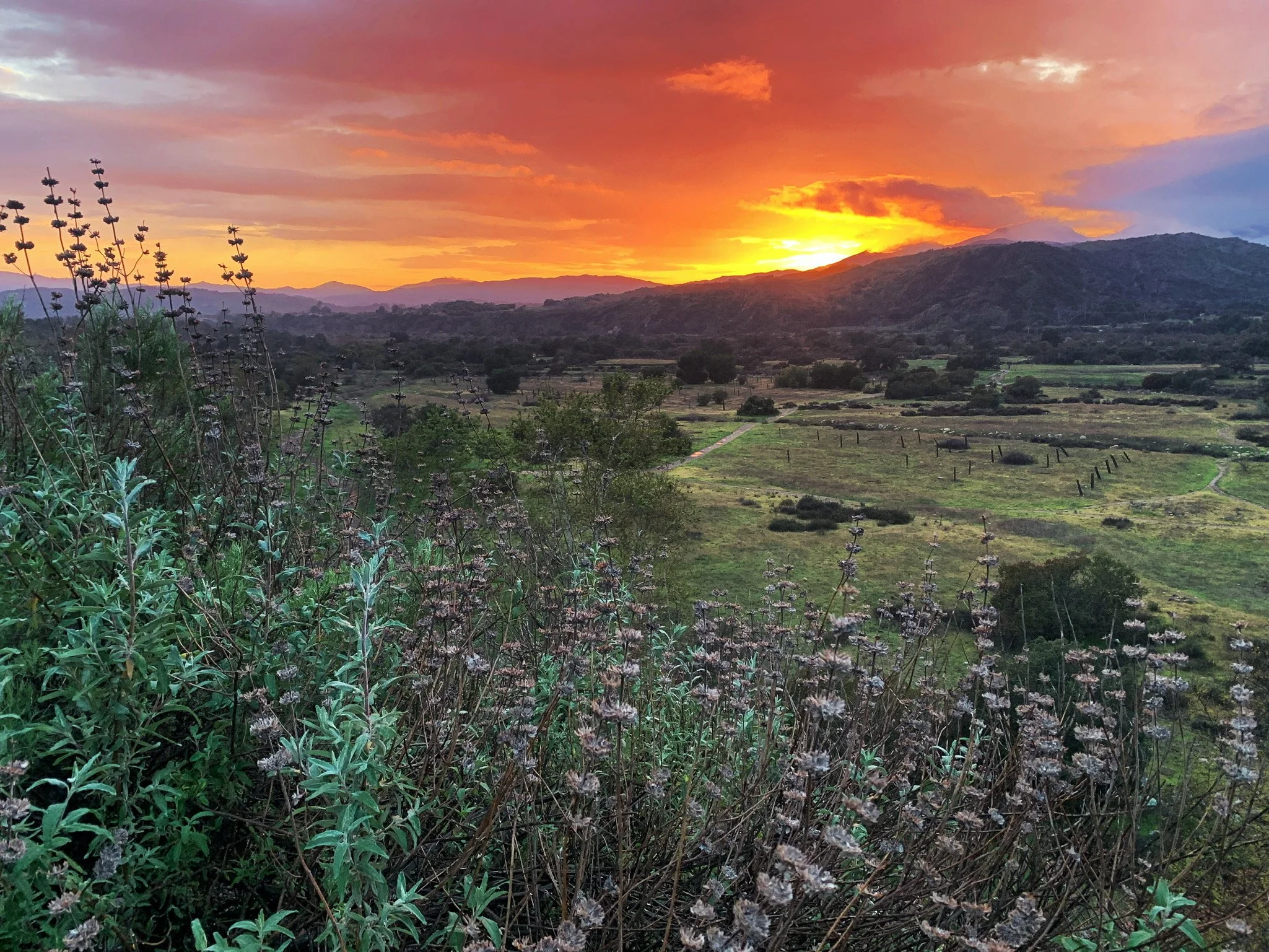
Wildfire is an inherent part of life in Southern California. It is both an essential element of our local ecology that contributes to the rich biodiversity of the region as well as a very real and dangerous threat. Fire has been part of this land for millions of years, but during the past century, its frequency has increased due to climate change and a growing population. As we adjust to this new reality, we are learning from scientists, researchers, firefighters, and those with Traditional Ecological Knowledge about the ways that we can work together to create wildfire resilient communities.

-
Do you have more questions about fire safety in the Ojai Valley? Check out Ojai's Fire Safe Council for more information.

-
Wildfire. It’s been a part of California’s ecosystem for thousands of years, but it’s often misunderstood. In the Golden State, fire season typically stretches from late summer through fall. In recent years, however, fire season is growing longer and the fires themselves more severe. In 2020, California experienced its worst recorded fire season. Find out why and what you can do to make your home and community more resilient to wildfire.
Post-fire Recovery
-
This detailed guide from the California Native Plant Society provides straight forward directions on what to do after a wildfire and general information about fire regimes through out California's diverse ecosystems.

-
This program through CNPS allows folks to volunteer to help scientists obtain information about rare plants, especially in post fire landscapes.